Building Uganda's Resilience Against climate change and environmental Disasters (BURACED INITIATIVE UGANDA)
Programs Overview
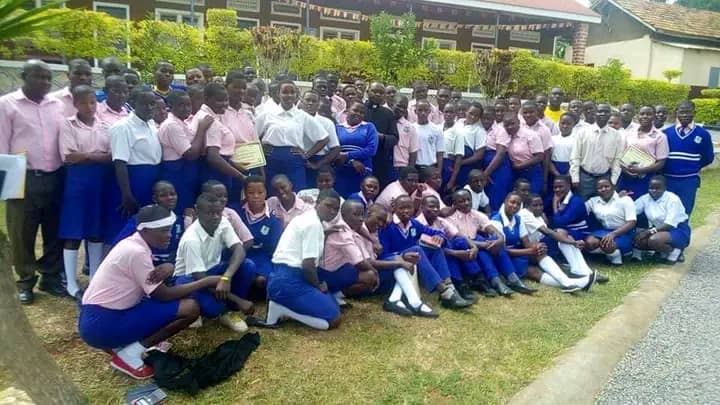
Climate Education & Youth Leadership
Workshops in schools and universities; climate clubs; youth ambassador network.
Climate‑Smart Agriculture
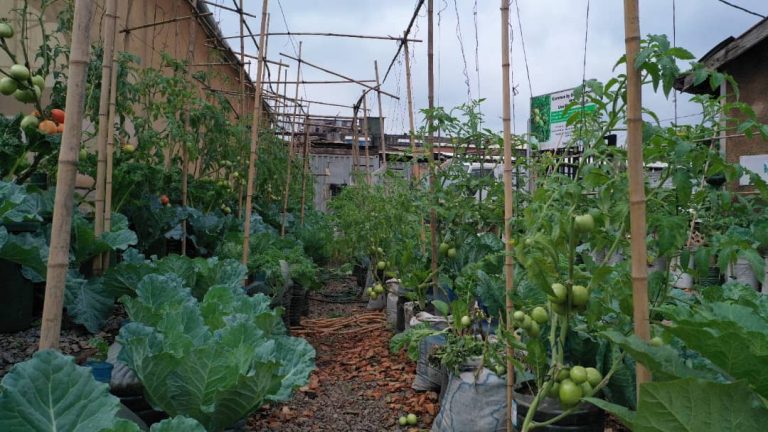
Heat‑resilient crops, soil health, low‑emission practices for farmers.
Urban Resilience & Cooling Shelters
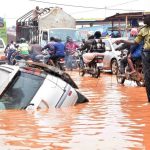
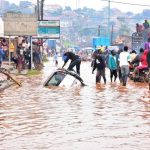
City heat/cooling hubs, flood awareness, open‑space advocacy.
Wetlands & Biodiversity Protection
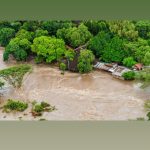
Community monitoring, restoration, and engagement with local authorities.
Sustainable Transport & Energy Transition
Decarbonizing road/water/air transport; cleaner cooking and efficient stoves.
Why Choose Us
BURACED Initiative Uganda stands at the frontline of climate adaptation — empowering youth, schools, and communities to take real, local action against global challenges.
We go beyond awareness to build practical resilience solutions: training climate ambassadors, promoting climate-smart agriculture, restoring wetlands, and creating safer, greener cities.
Our youth-led approach combines education, innovation, and community mobilization to ensure Uganda not only survives climate shocks — but thrives despite them.
Our Mission
To empower youth and communities across Uganda with the knowledge, tools, and skills to become ecologically conscious citizens, capable of building resilience against climate change and environmental disasters with integrity and innovation.
Our Vision
To create a greener, smarter, and more adaptive Uganda where all regions are equipped to face climate challenges sustainably — ensuring people and nature thrive together.
Our Core Values
- Youth Empowerment: We believe young people are key to transforming Uganda’s climate future.
- Integrity: We act with transparency, accountability, and honesty in all our engagements.
- Innovation: We seek creative, science-based, and local solutions to climate challenges.
- Collaboration: We partner with schools, governments, and communities to amplify impact.
- Sustainability: Every initiative aims for long-term environmental and social resilience.
- Equity: We include women, children, and marginalized groups in every step of climate action.
Campaign Highlight
Litter Less Campaign
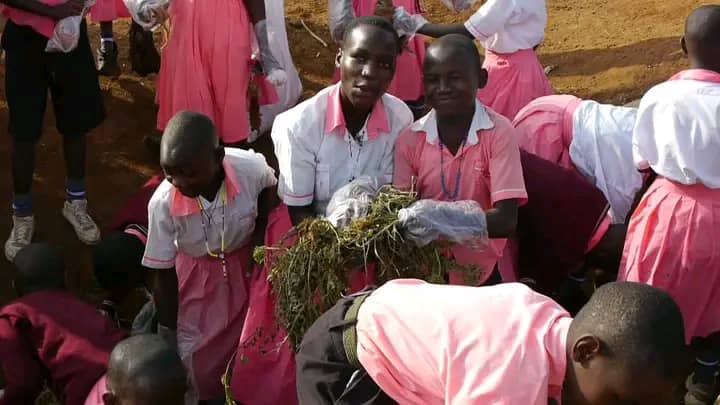
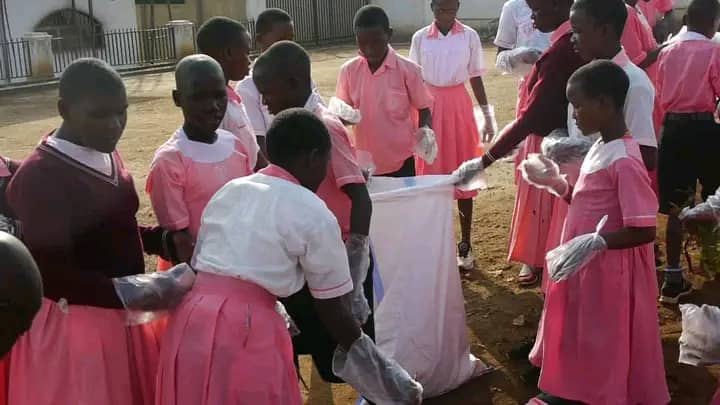
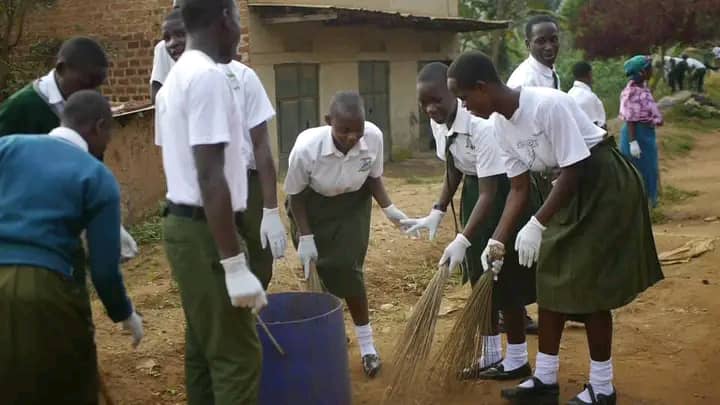
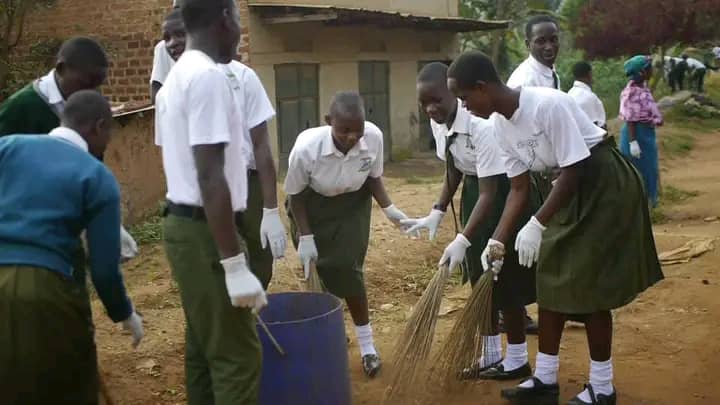
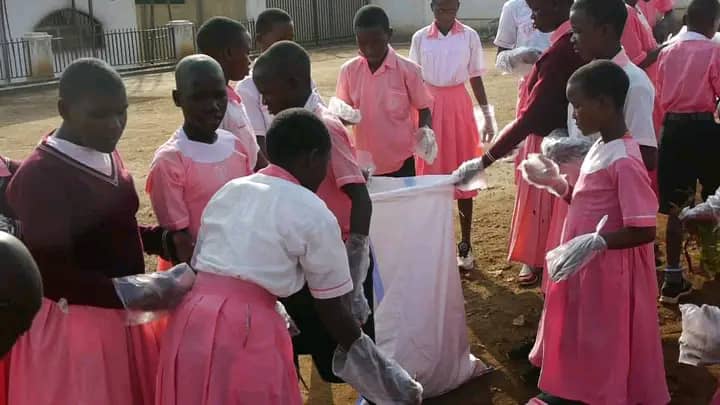
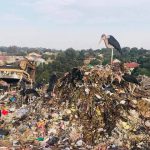
The Litter Less Campaign is a community and school-based environmental initiative aimed at reducing littering and improper waste disposal in Uganda.
It engages students, teachers, and local community members in understanding the impact of waste on public health, water systems, and biodiversity.
Through hands-on activities such as clean-up drives, recycling competitions, and environmental education sessions, participants learn the value of waste segregation and sustainable waste management.
This campaign encourages a culture of responsibility and cleanliness among young people and local residents, transforming schools and communities into cleaner, healthier, and more environmentally conscious spaces.
Green STEM Initiative
The Green STEM Initiative focuses on empowering Ugandan youth with skills and knowledge to innovate solutions for real-world environmental challenges using Science, Technology, Engineering, and Mathematics (STEM).
This project provides training in eco-innovation, renewable energy, sustainable agriculture, and conservation technology, encouraging participants to apply scientific principles to address climate issues in their communities.
By doing so, it not only helps youth develop problem-solving skills but also motivates them to pursue new career and business opportunities in eco-conservation, green entrepreneurship, and environmental research.
The initiative builds a generation of environmentally aware innovators capable of driving Uganda’s transition toward a sustainable, low-carbon future.
Young Reporters for the Environment (YRE)
The Young Reporters for the Environment program trains youth in environmental journalism, digital storytelling, and advocacy communication. Participants learn how to use social media, photography, videography, and blogging to document, report, and raise awareness about environmental issues in their surroundings.
Through this platform, young people investigate environmental problems, share their findings publicly, and advocate for sustainable practices and policy change.
Their reports, stories, and creative media pieces help influence policymakers, local leaders, and communities to take action on pressing environmental concerns.
The YRE program builds a network of passionate young communicators whose voices contribute to shaping Uganda’s environmental agenda and driving behavioral change nationwide.
Learning about Ecosystems and Forests (LEAF):
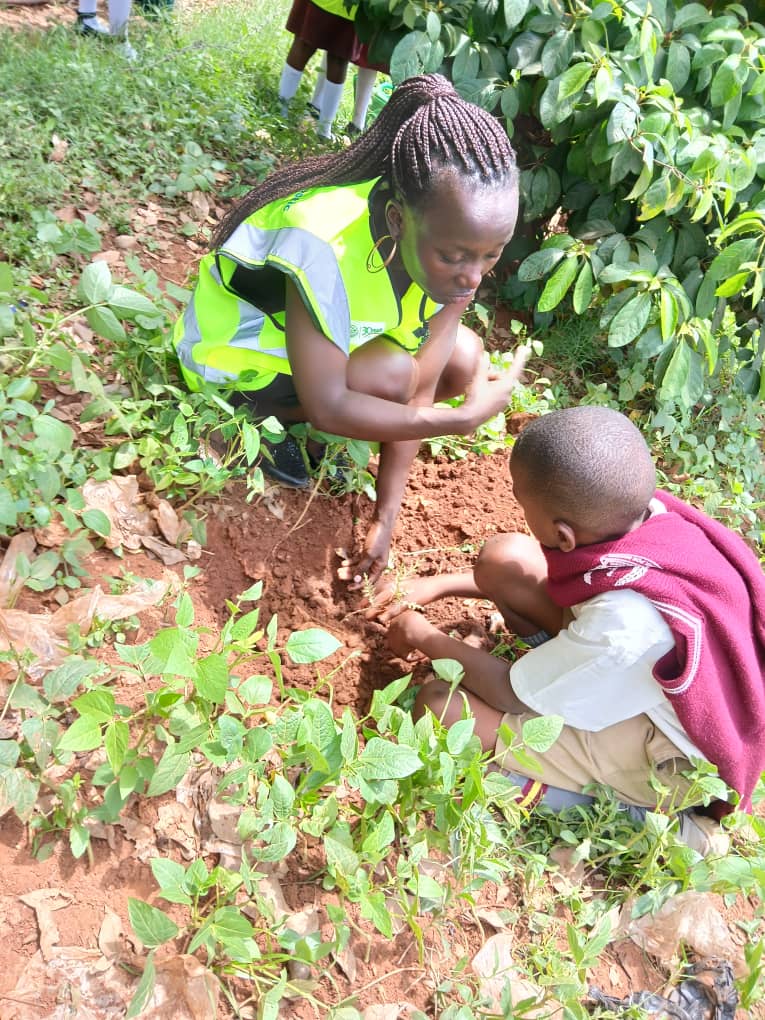
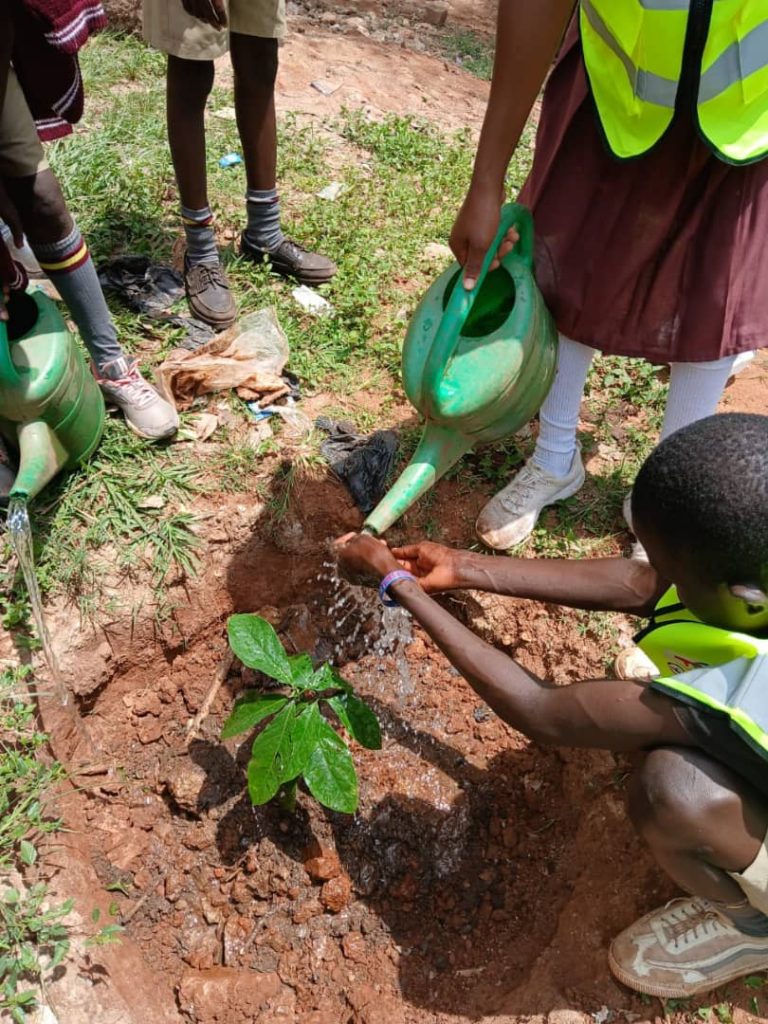
9. Learning about Ecosystems and Forests (LEAF) advocates for outdoor learning and hands-on experiences, allowing students to connect with nature and develop a deeper understanding of the natural world. While the LEAF programme started with a focus on tree-based ecosystems and sustainable forest use, we further included a diversity of ecosystems to foster skills and knowledge by exposing learners to outdoor experiences.
Learners reached through climate workshops
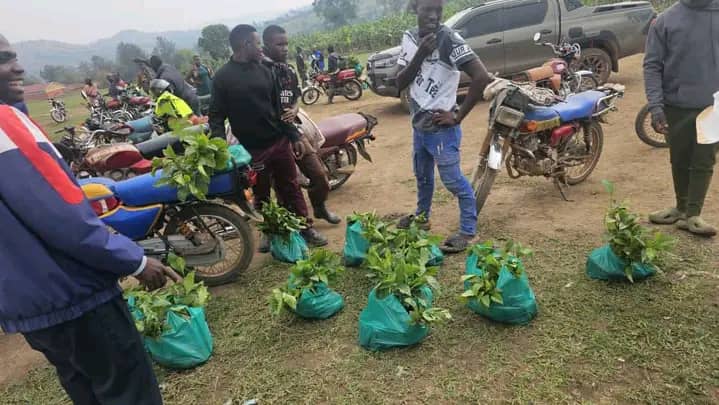
Trees planted in community drives
Youth ambassadors engaged
Wetland monitoring activities
Stories from the Frontline